AI automation for care and social services
In home care, care homes and social services, admin lands on the managers' desks: billing, documentation, rosters and routes. We build AI agents that take this work over or prepare it. For one companion care service, an agent now writes the monthly invoices from a single voice recording. If you prefer, the models run locally.
Book the automation checkWhere the time goes today
At month end, visits are gathered from notes, lists and calendars and billed one by one.
When someone calls in sick at dawn, the manager rebuilds routes or shifts over the phone.
Care notes get written up after the shift, usually in a hurry.
How an agent runs in your business
The exact steps depend on your process and your systems.
Dictate
At month end, all visits are dictated in one go, with person, date and service.
Match
The agent links each entry to the right client and checks it against the master data.
Create invoices
The invoices are created and filed in Lexware Office, with the name of the person cared for in the delivery address.
Approve and send
A staff member reviews the invoices and approves them. They then go out to clients automatically.
Office X: your digital office
Give it a try.
Start Office X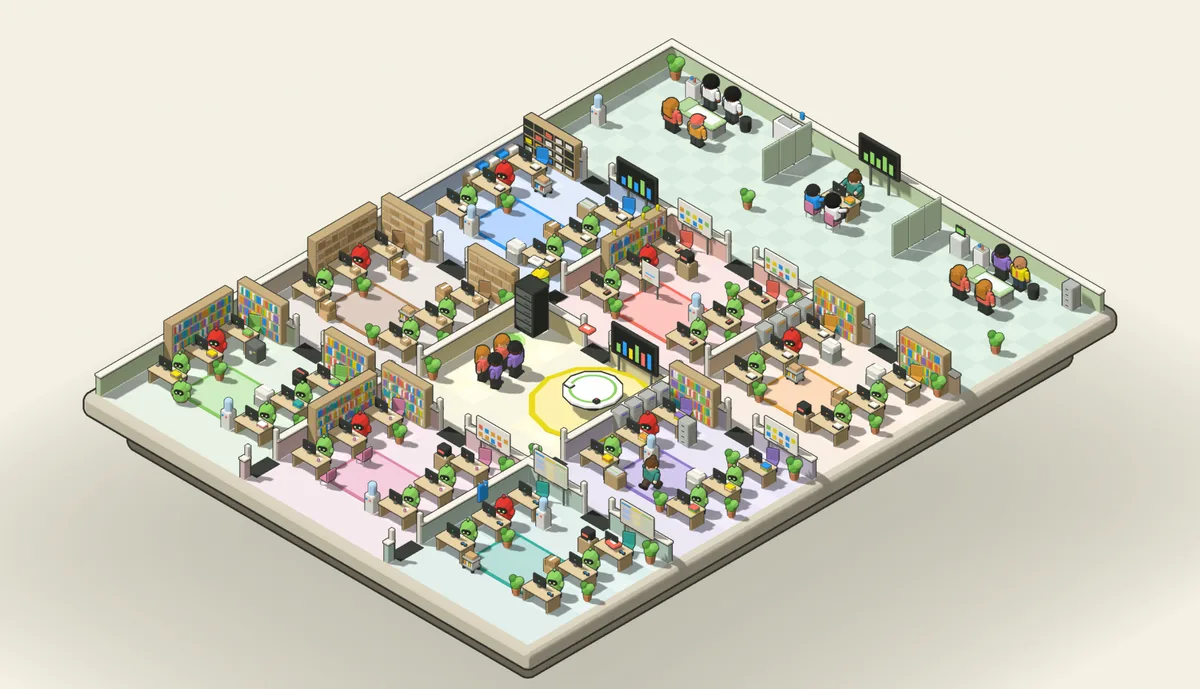
A selection of our projects
We build every solution individually for each business. This is only a selection, and your process does not need to be on it.
Care and social services
Invoices by voice
Around 300 invoices a month are dictated instead of typed one by one: one hour instead of 25.
View project →
What an agent can take on for you
Use case: how this could work for you. Not a client project.
Routes that re-plan themselves
A sick note comes in at six in the morning. The agent reassigns the visits by qualification, travel time and patient preference and puts the plan in front of the care manager. Once approved, staff and families are informed.
Use case: how this could work for you. Not a client project.
Care notes by voice
After a visit, the carer dictates what they did and observed. The agent turns it into a structured entry for the carer to confirm. We already deliver dictated nursing reports for hospitals.
Invoicing, digital end to end
Writing invoices
Visits are dictated at month end, and the agent writes the invoices from that recording. The Ob Plus case study above shows how it works.
Approving incoming invoices
Supplier and service provider invoices go into approval, with the discount deadline tracked. The short film in the approval workflow case study shows how this looks.
Case study with short film →
Cutting red tape in care
Residential care homes collect data for the quality indicators twice a year and send it to the national data evaluation office. The agent pulls the figures from the care documentation and shows where something is missing. When a resident applies for a higher care grade, it assembles the documents the Medical Service asks you for.
Your systems stay
The agent works with the software you already use, for example:
- Care management software
- Lexware Office
- Rostering
- Phone
Where people decide
The agent makes no care decisions. It proposes routes, and the care manager approves them. Care staff confirm every documentation entry.
How we work
Three steps: selection, proposal, pilot. In the free automation check we work out which process is the right place to start and which system access we need. Our proposal comes with a cost-benefit analysis at a fixed price. We build an agent in one to two days and test it with real cases the same week. The result belongs to you.
Data protection
We work GDPR-compliant on European infrastructure, with a data processing agreement as standard. If you prefer, the models run locally on your own hardware, so the data never leaves your premises.
Impact
Depending on the process, we cut process costs by 20 to 80 percent on average. That is our own figure at Sophera, not a study. Above all, your people get time back for the work they were hired to do.
Frequently asked questions
What happens to health data?
If you prefer, the models run locally on your hardware, so the data stays in your building. A data processing agreement is standard.
Does it work with our care software?
Through an interface where there is one. Otherwise the agent operates the software through the screen.
How quickly is the first agent running?
We build an agent in one to two days. Testing with real cases happens the same week, and the pilot usually starts within the first week. Before that, we agree on the system access we need.
What does an automation cost?
We only work at a fixed price. You get the price in our proposal, once the open questions are settled in the free automation check. After that, the only running cost is the usage of the AI models, billed directly to you. No subscription, no operating fee.
Who looks after the automation once it is live?
Every automation comes with a maintenance agent included in the fixed price. It monitors operation, checks every interface for changes and tests changes against past cases. Anything it cannot fix itself becomes a ticket for your IT team.
Which of your processes is the right place to start?
We work it out together in the free automation check, along with the system access we would need.
Book the automation check