AI automation for insurers
Claims, applications and follow-up questions reach insurers by email, form, photo and PDF. We build AI agents that read these, check them against the policy and hand them to your claims handlers ready for a decision. Whether to pay or to accept a risk stays with your people. If you prefer, the models run locally, so customer data never leaves your building.
Book the automation checkWhere the time goes today
Before anyone looks at a claim on its merits, it gets sorted, retyped and chased for missing documents.
For commercial risks, underwriters assemble details from questionnaires, plans and their own research.
Rules such as DORA require registers and reports fed from many contracts and systems.
How an agent runs in your business
The exact steps depend on your process and your systems.
Read the claim
The agent reads the notification, photos and attachments, whatever channel they came through, and opens the case.
Check the policy
It pulls the contract from the policy system and checks line of business, period of cover and insured item.
Complete the file
If a quote, invoice or photo is missing, it writes to the customer and follows up.
Hand over for a decision
The claims handler receives the case with a summary, flagged anomalies and the sources behind each point.
Office X: your digital office
Give it a try.
Start Office X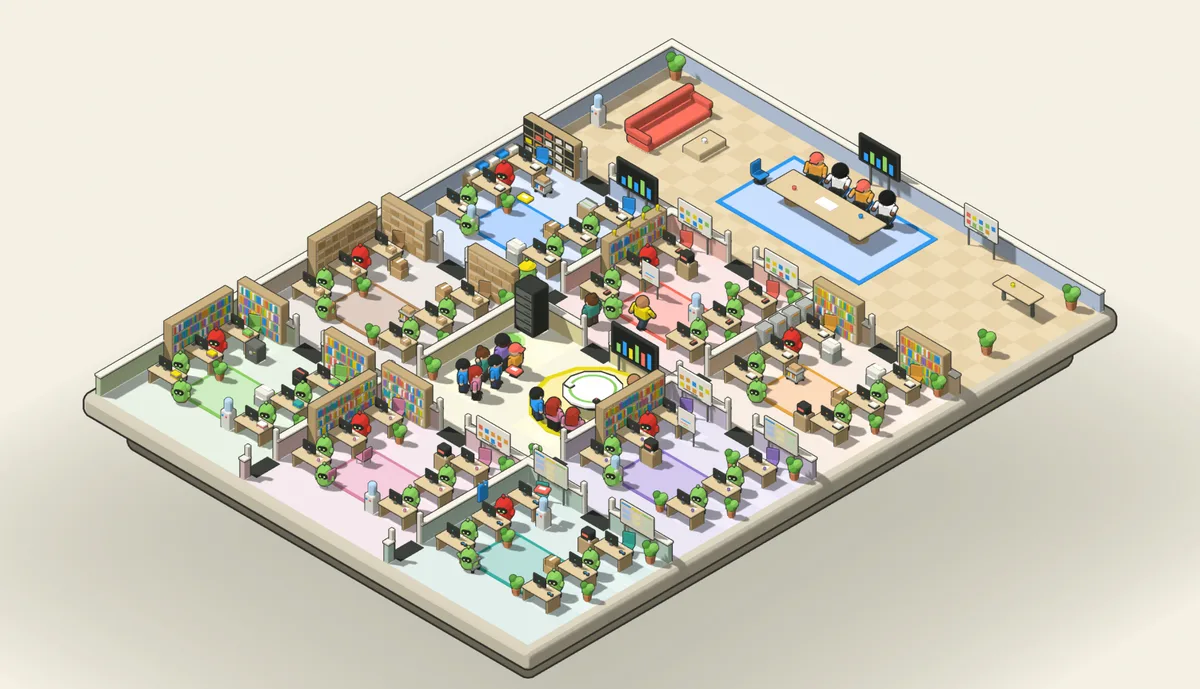
What an agent can take on for you
Use case: how this could work for you. Not a client project.
Claims from a photo
The customer sends photos or a video of the damage. The agent identifies the type of loss, checks the policy, compares the repair quote and flags anything unusual. The claims handler decides.
Use case: how this could work for you. Not a client project.
Underwriting for commercial customers
The agent reads the risk questionnaire, building plans and public geodata such as flood maps, then drafts a risk description. The underwriter assesses and signs off.
Cutting red tape for insurers
DORA requires insurers to keep a register of all ICT service providers and submit it to BaFin every year. Major ICT incidents must be reported within hours. The agent extracts the register data from your contracts and keeps it current. When an incident happens, it drafts the report for your team to check and file.
Your systems stay
The agent works with the software you already use, for example:
- Policy administration
- Claims system
- Document management
- Customer portal
Where people decide
People decide on payment and acceptance. The agent prepares the case and flags what stands out. It does not reject claims and does not promise payment.
How we work
Three steps: selection, proposal, pilot. In the free automation check we work out which process is the right place to start and which system access we need. Our proposal comes with a cost-benefit analysis at a fixed price. We build an agent in one to two days and test it with real cases the same week. The result belongs to you.
Data protection
We work GDPR-compliant on European infrastructure, with a data processing agreement as standard. If you prefer, the models run locally on your own hardware, so the data never leaves your premises.
Impact
Depending on the process, we cut process costs by 20 to 80 percent on average. That is our own figure at Sophera, not a study. Above all, your people get time back for the work they were hired to do.
Frequently asked questions
Can customer data go into an AI model?
If you prefer, the models run locally on your hardware. Otherwise we work GDPR-compliant on European infrastructure, with a data processing agreement as standard.
How does an agent fit with DORA?
It is an ICT service like any other software. We document which models, hosting locations and interfaces it uses, so you can add it to your register of information.
How quickly is the first agent running?
We build an agent in one to two days. Testing with real cases happens the same week, and the pilot usually starts within the first week. Before that, we agree on the system access we need.
What does an automation cost?
We only work at a fixed price. You get the price in our proposal, once the open questions are settled in the free automation check. After that, the only running cost is the usage of the AI models, billed directly to you. No subscription, no operating fee.
Who looks after the automation once it is live?
Every automation comes with a maintenance agent included in the fixed price. It monitors operation, checks every interface for changes and tests changes against past cases. Anything it cannot fix itself becomes a ticket for your IT team.
Which of your processes is the right place to start?
We work it out together in the free automation check, along with the system access we would need.
Book the automation check